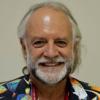
Professor Peter H Abrahams
Life Fellow

Thinking about Medicine at Cambridge? Come to one of our Open Days and meet the fellows and current students — it's the best way to find out if Girton is right for you.
The right size. The right community. The right support.
Over a dozen medical fellows — academic clinicians, researchers, and practitioners across specialties — who take a genuine, personal interest in your progress.
With around nine medics per year, Girton is big enough for lively peer support and a real social scene — yet small enough that no one falls through the cracks.
Weekly one-to-one and small-group supervisions with supervisors drawn from across the medical world — mostly practising clinicians, but also researchers, scientists, and in some cases our own senior clinical students. This breadth is one of the things that makes Cambridge teaching genuinely special.
Girton is consistently praised for its warm, non-hierarchical culture. You'll find peer mentors, a lively MedVet Society, and fellows who host you at their own homes.
Dedicated funds for Girton medics: the Harry Barclay Fund for medical activities, the Dinah James bequest for global health, conference grants, and hardship support. Find out more.
From research summers to global health electives, our students go on to hospitals, research labs, policy roles, and international medicine — we help them get there.
A head-start before term begins.
From September 2026, all incoming Girton medics will be invited to a dedicated two-day induction programme — before the rest of the university arrives.
A Fellowship from across medicine and science.
Girton has one of the broadest medical fellowships in Cambridge — clinicians, researchers, scientists, and educators spanning many specialties and backgrounds, all genuinely committed to your development.
Students have regular opportunities to meet and learn from these figures — at events, suppers, and through the College's academic life.
Every stage, every year.
From your first supervision to your clinical school graduation, Girton is with you.
Weekly small-group supervisions with experienced clinicians — more personal, more intensive, and more impactful than lecture-hall teaching alone.
Your tutor, Director of Studies, and the medical fellowship work together to support your wellbeing, professionalism, and confidence throughout all six years.
Grants available for summer research projects and scientific conferences. A number of Girton medics have completed the prestigious MB/PhD combined degree.
Harry Barclay Fund (medical activities), Dinah James bequest (global health), hardship support, and travel grants. Find out more
Writing, research, and professional skills sessions open to all Girton students. Explore the programme
A well-stocked medical library on site, including key textbooks and past papers. Students can request new purchases — a budget is set aside for medical texts each year.
Inspired? Here's where to start.
Whether you're making your mind up or already set on medicine, these books, films, and podcasts will deepen your thinking — and give you something to talk about at interview.
| Title | Author | Why read it |
|---|---|---|
| Do No Harm | Henry Marsh | A neurosurgeon's unflinching account of operating on the human brain and the weight of the decisions doctors make. |
| This Is Going to Hurt | Adam Kay | Darkly funny and deeply honest diaries from a junior doctor. Essential reading for anyone thinking about a medical career in the NHS. |
| When Breath Becomes Air | Paul Kalanithi | A neurosurgeon diagnosed with terminal cancer reflects on what makes a life worth living. Profound on medicine, mortality, and meaning. |
| Being Mortal | Atul Gawande | A surgeon examines how medicine fails the elderly and dying — and what a good death might look like. |
| The Spirit Catches You and You Fall Down | Anne Fadiman | A powerful exploration of culture, medicine, and what it means to communicate across difference. |
| The Citadel | A.J. Cronin | A young doctor navigating idealism vs. compromise in 1930s Britain. The novel that helped inspire the founding of the NHS. |
| Title | Format / year | Why watch it |
|---|---|---|
| Wit | Film, 2001 | Emma Thompson as a professor facing terminal cancer. A masterclass in empathy and the humanity at the heart of medicine. Often shown in medical schools. |
| The English Surgeon | Documentary, 2007 | A British neurosurgeon volunteers in Ukraine. Moving, thought-provoking, and genuinely inspiring. |
| This Is Going to Hurt | BBC series, 2022 | The TV adaptation of Adam Kay's diaries. Captures the pressure and humanity of junior hospital medicine with remarkable honesty. |
| Bodies | Netflix, 2023 | A thriller with forensic pathology at its core, with serious questions about life and death woven throughout. |
| Unrest | Documentary, 2017 | A personal documentary on ME/CFS raising important questions about how medicine hears — or fails to hear — patients. |
| The Knick | TV series, 2014–15 | Surgery at the turn of the 20th century — radical, dangerous, thrilling. A reminder of how much medicine has changed. |
| Podcast | Producer | Why listen |
|---|---|---|
| More or Less | BBC Radio 4 | Unpicks the statistics behind headlines — essential for any scientist. Especially good on health data. |
| Sawbones | McElroy & McElroy | A funny trawl through medical history — from bloodletting to Victorian patent medicines. Entertaining and genuinely surprising. |
| The BMJ Podcast | The BMJ | Weekly discussions on current research, clinical debates, and health policy. A good habit to develop before starting medical school. |
| Bedside Rounds | Adam Rodman | Medical history through clinical case studies. Traces how understanding of disease evolved — fascinating and scholarly. |
| The Lancet Podcast | The Lancet | The editors discuss the week's papers. A great way to stay current with research and understand how evidence gets made. |
| Medfessions | Various NHS doctors | Doctors talk candidly about their careers and specialty choices. Useful perspective for anyone at the 'am I sure?' stage. |
What we're looking for.
We always assess candidates in the round. Your potential matters more than your postcode or your school.
A*A*A, including Chemistry and one from Biology, Maths, Further Maths, or Physics.
41–42 points overall, with 776 at Higher Level.
All Cambridge Medicine applicants sit a written assessment prior to interview. Register and find out more
Usually two interviews — one assessing scientific ability, one assessing suitability for the profession.
We welcome applications from all backgrounds. Girton has a proud tradition of access and inclusion. Widening participation at Cambridge
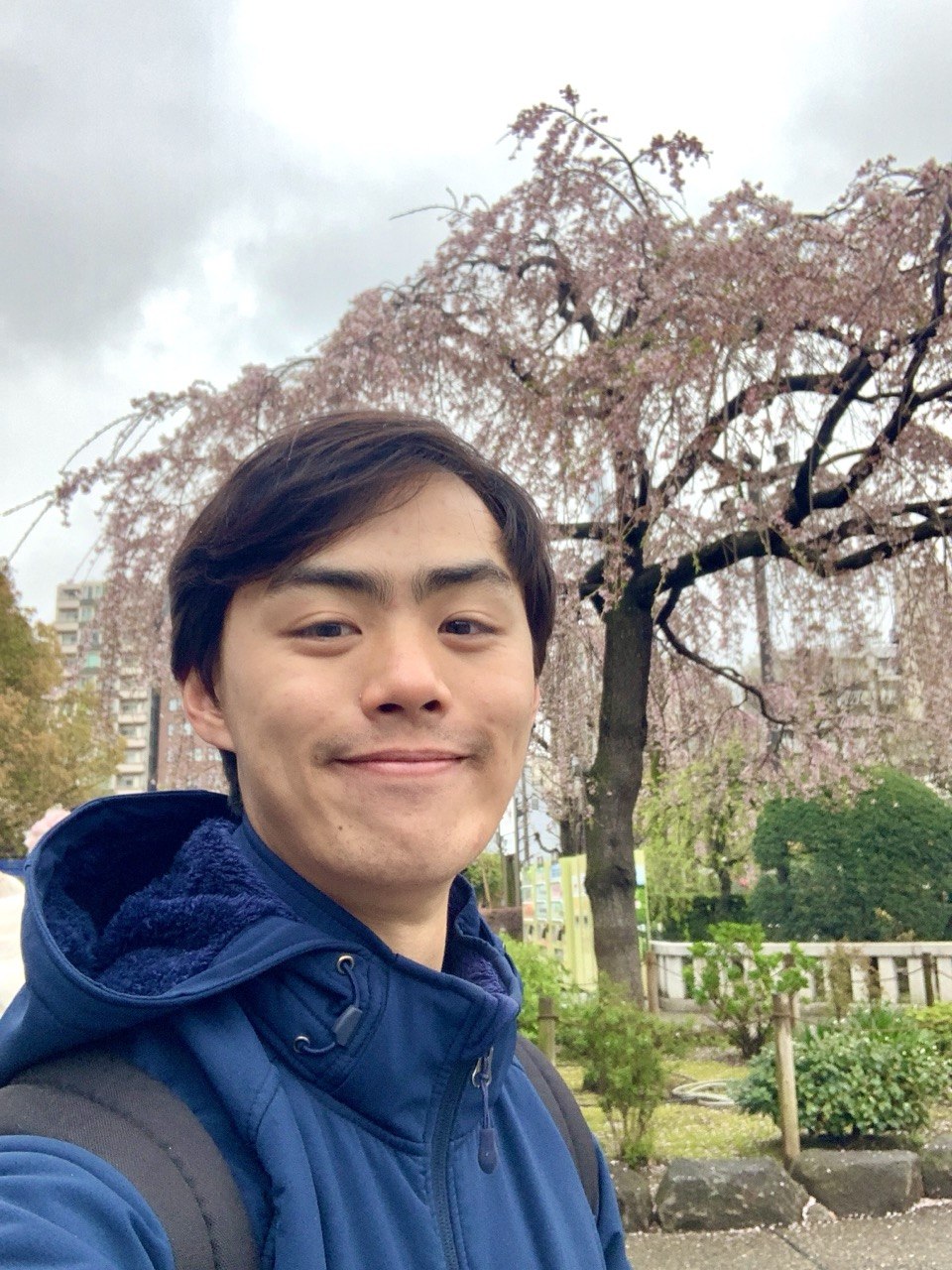
Hi! My name is Joel, and I'm a second-year Part IB Medicine student at Girton. A typical day starts at 8 AM with a coffee and a banana. While having my coffee I like to scan through the slides of my first lecture before cycling into town for my 9 AM. We'll usually attend 2-3 lectures back-to-back and finish just before lunch, during which I annotate downloaded copies of the slides to make notes. After the morning lectures I usually meet with friends and grab a quick meal deal before heading back for afternoon lectures, which usually finish around 4 PM.
After getting back to college I'll usually have a supervision, a one-hour small group teaching session, before cooking and having dinner with friends. After dinner we head to the library together, studying until 8-9 PM, where I go through the previous day's lectures, write up assignments, and do a few flashcards. We'll usually wind down with a couple of rounds of board games or cards before bed.
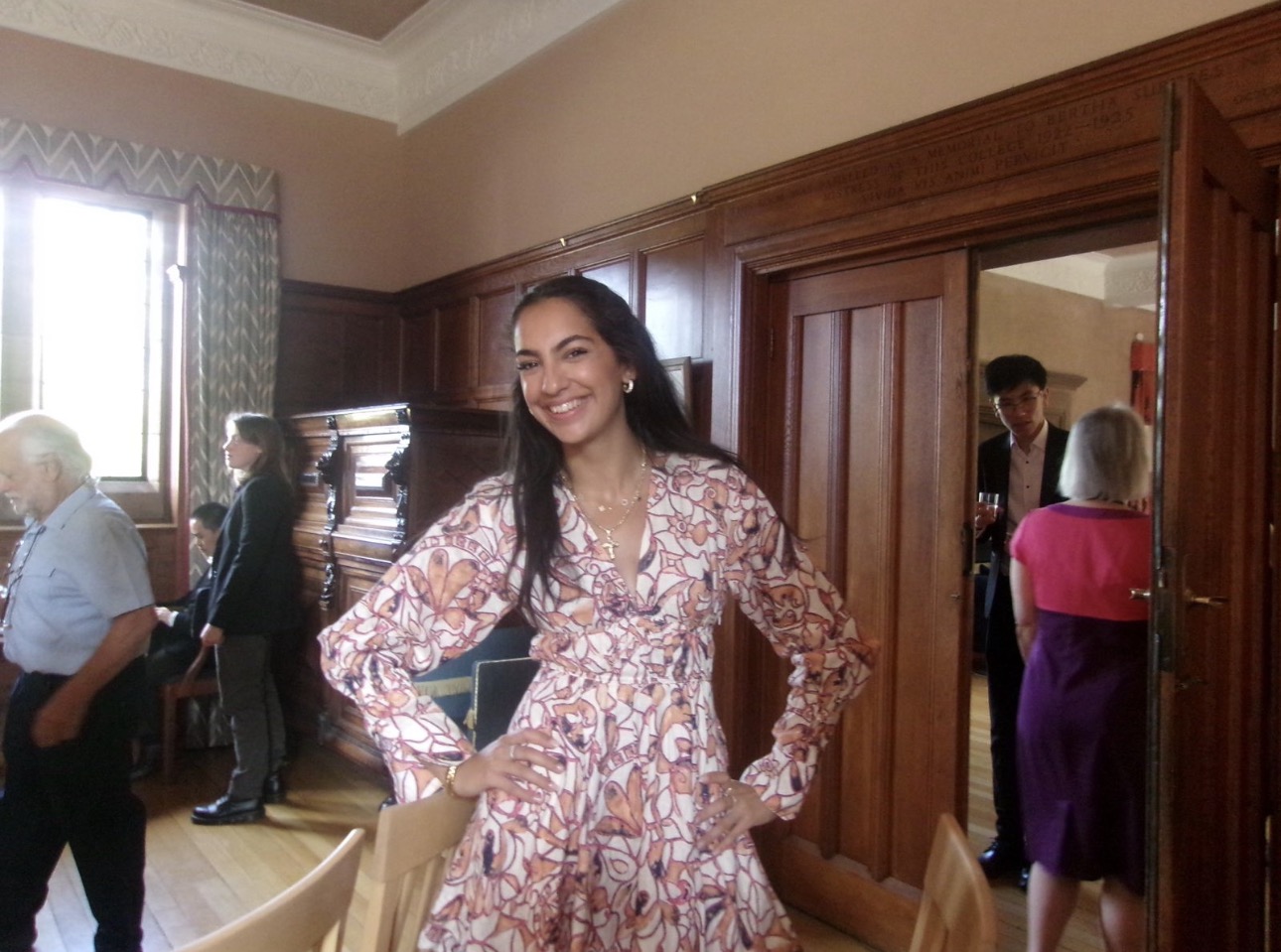 Hi, I'm Gina! I'm a third-year medical student at Girton, intercalating in Natural Sciences with a focus on Psychology. Intercalation is a compulsory part of the Cambridge Medicine degree, but also an amazing opportunity to spend a year immersed in the things that fascinate you. For me, that means the developing brain, cognition and behaviour, and the psychology behind policy and decision-making, all things that will shape the kind of doctor I want to be.
My day usually starts around 8 AM with a yoghurt bowl. Unlike Joel, I am a committed bus rider - the Girton bus is non-negotiable, warm drink in hand, flicking through whatever is on the agenda for the day.
No two days look the same. Mornings might bring one lecture or three, and afternoons are usually a mix of reading, coding for my dissertation, and preparing for supervisions. A big part of my day is reading, both for lectures and wider topics I have genuinely fallen in love with this year, computational cognition and developmental psychology being particular highlights. This flexibility is one of the most distinctive things about Part II. Lunch is whatever looks good in town and evenings vary between walks around Girton’s amazing grounds, a session in the gym, or cooking with friends. Supervisions are a real highlight for me. When you are this interested in your subject, having an hour to talk through ideas and think out loud feels like a real privilege.
When it comes to evening study, you will find me upstairs in the Girton library, which looks straight out of Hogwarts - a lifelong Harry Potter fan's dream! Other highlights include walking along King's Parade and grabbing Jack's Gelato with friends, always something different (I consider it a personal commitment to research). Outside of academics, I am co-president of the Girton Med Vet Society and Captain of Squash Club, which keeps life busy in the best way.
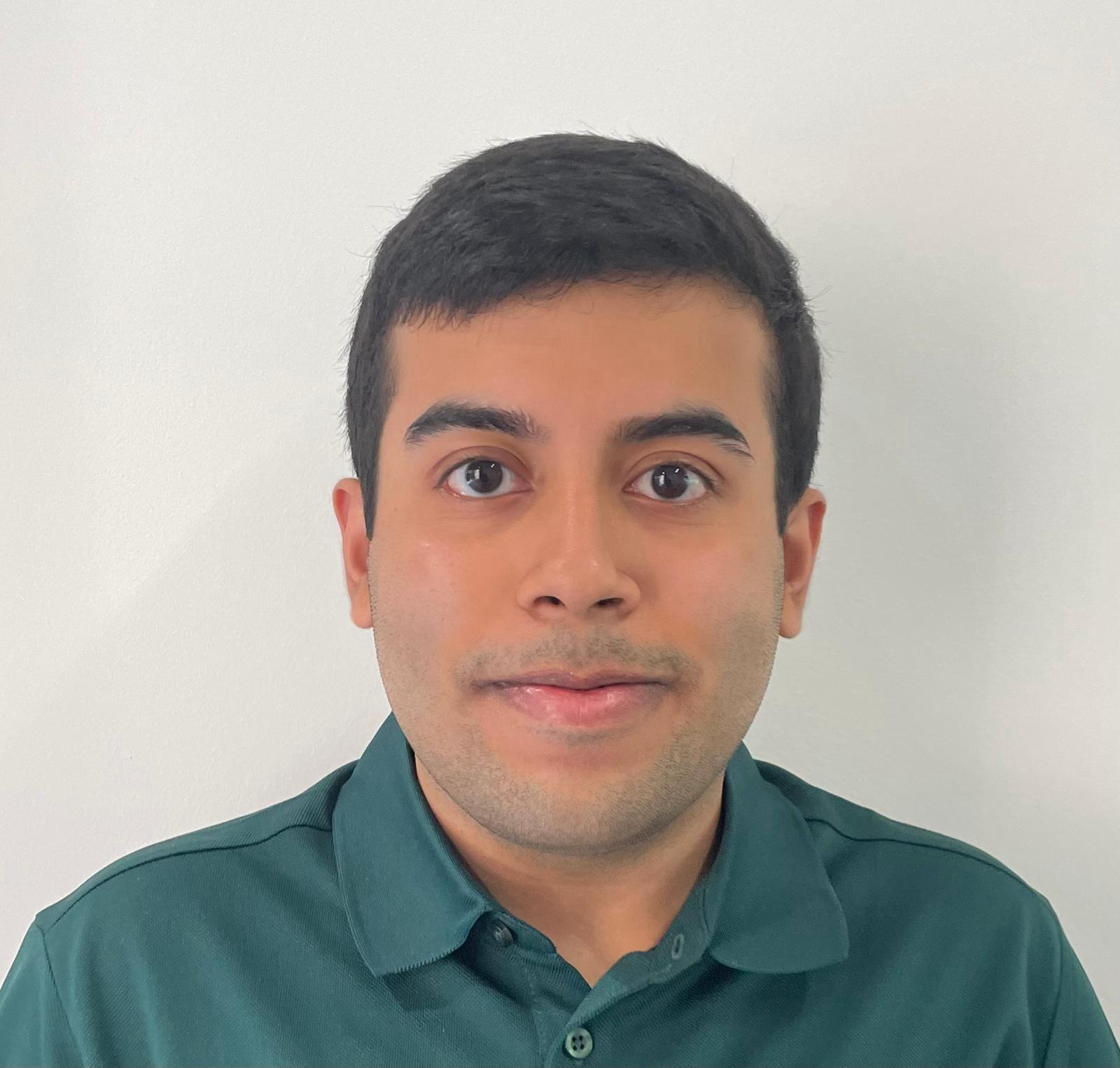
Describing the day in the life of a Girton Clinical Student is challenging, as every day can be different, and our placements are as diverse as the field of Medicine itself.
Even now, all of the clinical students at Girton are exploring different facets of this profession. From witnessing lifesaving operations in the renowned Addenbrooke’s theatres, to traversing out into the far reaches of the community as part of our GP placements to talk to wonderful patients who entrust us with their stories, we are regularly reminded of the wonderful impact we can have on patients regardless of the specific speciality we may choose to enter.
It is also deeply rewarding to reflect on how far we have come since our preclinical years, which were spent largely in libraries committing pages of notes to memory. Now, our days are far more hands-on as we are constantly developing key skills for our future practice, such as our communication skills with patients, our critical thinking as well as our practical skills.
Each day gives us new challenges and experiences, and I am excited to see where the future takes us as we journey further into the field of medicine
More than just lectures.
Girton's medical calendar is unlike any other college. From black-tie dinners to garden parties, from science communication contests to late-night talks with pizza — life as a Girton medic is genuinely rich.
The year kicks off with a celebratory supper in the Fellows' Dining Room — all undergraduate medics, the Fellowship, alumni, and guests together. One of the warmest traditions in Girton.
Current Girton medics help support outreach events for GCSE students considering medicine — a chance to give something back and develop your own communication skills.
A talk and Q&A for second-year medics, led by fellows and clinical students — helping you navigate the unique Cambridge third-year research year. Held in the Stanley Library.
Student-organised invited speaker evenings throughout term — recent topics have included forensic psychiatry, the history of medicine, and cutting-edge research. Food and drink provided.
Students present a creative interpretation of a chosen theme to an audience in the Stanley Library — hosted by Dr Phil Hammond, Girton alumnus and well-known medical communicator. A highlight of the year.
Students present their own research alongside eminent College and external speakers — followed by a black-tie dinner in the Great Hall. One of the most distinctive events in any college medical calendar.
Regular informal gatherings throughout Lent Term. More invited talks with drinks provided — a close-knit community that extends well beyond the lecture theatre.
The whole Girton medical community — students, fellows, clinical students — celebrates the end of exams together. A standing invitation to a party at a fellow's home.
The student-led MedVet Society hosts its own May Week gathering — arguably the most picturesque week in Cambridge.
Before the Clinical School Declaration Ceremony each June, graduating students and their families are welcomed by the Mistress, Medical Fellowship, and Senior Tutor for a celebratory brunch. A proud Girton tradition.
Life Fellow
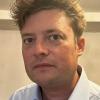
Director of Studies, Fellow

Bye-Fellow, Director of Studies
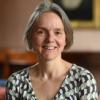
Fellow

Bye-Fellow

Bye-Fellow, Director of Studies
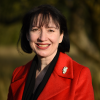
Honorary Fellow
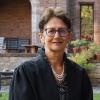
Honorary Fellow
Honorary Fellow
Director of Studies, Fellow, Tutor
Life Fellow
Director of Studies, Fellow
Life Fellow