Feature

Quantum conference at Girton connects fundamental science with emerging technologies

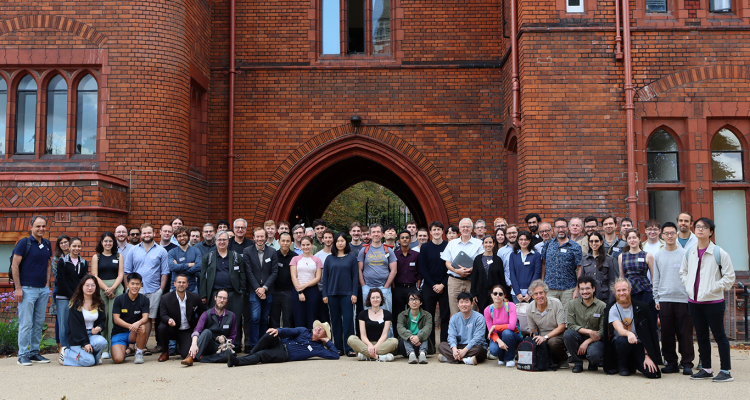
Foundation of Quantum Technologies speakers, participants and organisers in front of Girton College Tower

Foundation of Technologies conference organisers, speakers, and participants gathered on Tower Drive. Photograph by Yuming Qian.

Researchers from academia and industry gathered at Girton College from 15 to 18 September 2026 to examine the physical principles behind emerging quantum technologies, marking a century since the development of modern quantum mechanics.

From quantum foundations to future technologies

Girton College welcomed an international community of researchers for Foundations of Quantum Technologies, a four-day conference organised by Girton Fellows and experts in their fields, Dr David Arvidsson-Shukur and Dr Hugo Lepage. The participants explored how the fundamental principles of quantum physics are shaping new approaches to computing, sensing, measurement and control.

Held 100 years after the discovery of modern quantum mechanics, the conference brought together work in quantum foundations, information theory, experimental research and technological implementation. The programme created a shared forum for specialists investigating both the conceptual questions at the heart of quantum theory and the practical challenge of turning quantum effects into dependable technologies.

Topics ranged from quantum measurement, thermodynamics and open systems to non-classical resources such as coherence, contextuality and entanglement. Sessions also considered quantum algorithms, processor design, metrology and sensing, and the control of quantum systems.

Ideas across disciplines and career stages

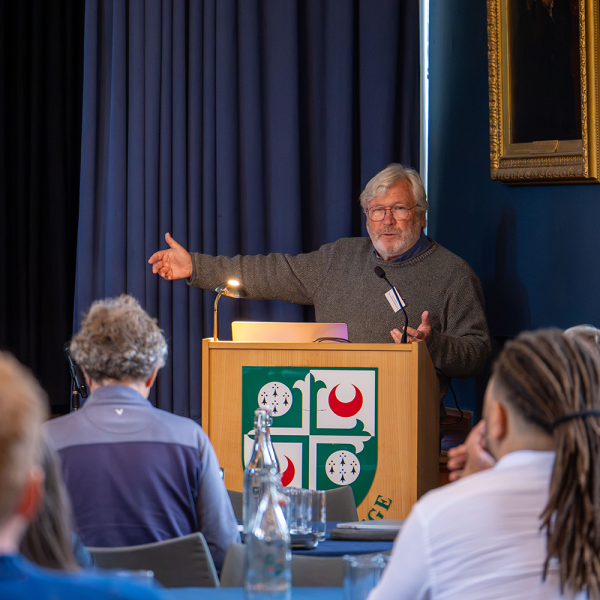
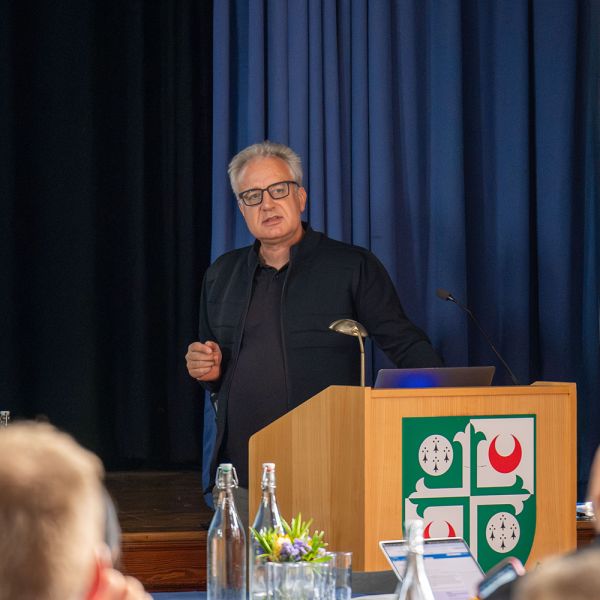
The programme connected foundational questions with the fast-moving development of quantum information-processing technologies. Invited keynote speakers included Sophia Economou of Virginia Tech, Seth Lloyd of MIT, Gerard Milburn of the National Quantum Computing Centre and Robert Raussendorf of Leibniz University Hannover, alongside researchers from universities, research organisations and industry around the world.
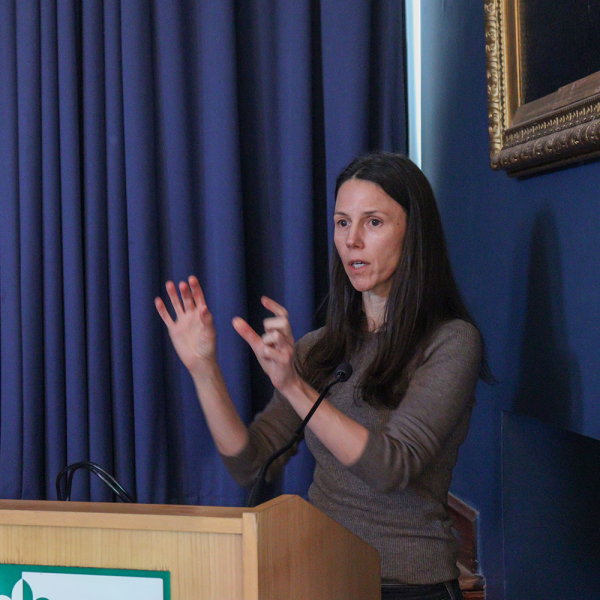
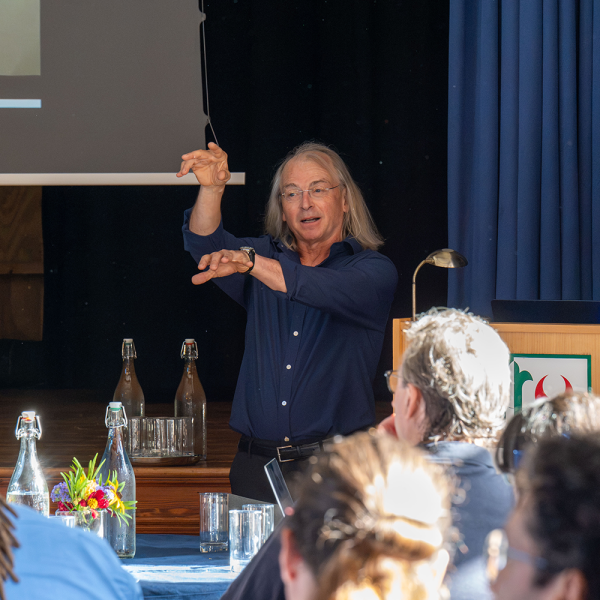
(Top left: Sophia Economou by Yuming Qian; Top right: Seth Lloyd; Bottom left Gerard Milburn; Bottom right: Robert Raussendorf)
Contributed talks, flash talks and posters gave established researchers, early-career scholars and students opportunities to share work and exchange ideas. This mix of formats helped place emerging research alongside broader discussions about where quantum science is heading and what will be required to realise its technological promise.

Seth Lloyd opened the programme with a keynote on the design of novel quantum algorithms, considering how quantum computing might expand into areas including data analysis, artificial intelligence, finance and pure mathematics. Across the week, other sessions addressed the opportunities and obstacles involved in protecting, controlling and measuring quantum systems.

Quantum science for a wider audience

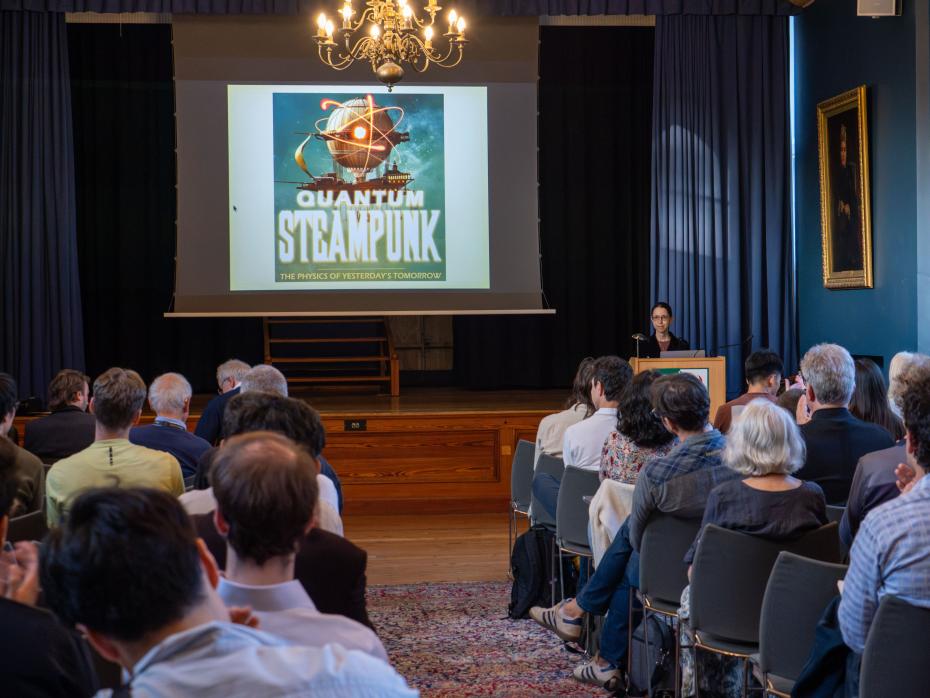
The conference also opened a window onto quantum research for the wider public. Theoretical physicist and author Nicole Yunger Halpern presented Quantum Steampunk: The Physics of Yesterday’s Tomorrow, drawing connections between quantum information and thermodynamics. The public event combined scientific ideas with the imaginative language of steampunk, offering an accessible route into questions about energy, information and the quantum world. Nicole demonstrated how creative communication can invite new audiences into complex fields of research.

Nicole Halpern delivering the public talk at the Foundation of Quantum Technologies conference.

Nicole Halpern delivering the public talk at the Foundation of Quantum Technologies conference.

A forum for connection and inclusion

With researchers approaching quantum technologies from different theoretical and practical perspectives, the conference provided space to compare methods, test ideas and build connections across the field. The programme’s breadth reflected a central challenge for quantum technology: progress depends not only on advances in hardware or algorithms, but also on a deeper understanding of the physical resources that give quantum systems their distinctive power.

Attendees highlighted the conference’s gender diversity as especially resonant with Girton College’s history. While the event did not achieve equal representation – an enduring challenge across quantum physics – several participants described it as one of the strongest examples of gender representation they had encountered in the field. 

For one attendee, that connection became particularly vivid during the talks in Old Hall. Looking at the portraits of distinguished women lining the walls while listening to a woman delivering a keynote talk was particularly empowering.  

A century after quantum mechanics transformed our understanding of nature, the questions it raised continue to inspire both fundamental research and new technologies. The Foundations of Quantum Technologies conference highlighted the value of bringing those conversations together and of creating opportunities for researchers at different career stages to help shape the field’s next chapter.

Girton College warmly thanks the organising committee, speakers and attendees for creating a conference characterised by thoughtful discussion, shared ideas and international collaboration.